
 Available
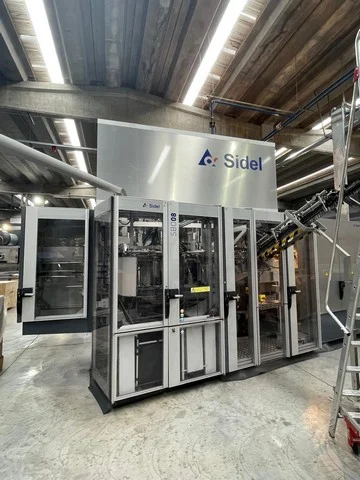
Used PET bottling line for still water
Year2010
ManufacturerSidel
Speed19,000 bph
ReferenceNP 725
CategoryPET Bottling Line
 简体中文
简体中文 繁體中文
繁體中文 العربية
 Български
 Hrvatski
 Čeština
 Dansk
Dansk Nederlands
 Suomi
Suomi Français
 Deutsch
 Ελληνικά
 हिन्दी
 日本語
日本語 한국어
한국어 Norsk
Norsk Polski
 Português
 Română
 Русский
 Español
 Svenska
 Català
 Filipino
 עברית
עברית Bahasa Indonesia
 Latviešu
 Lietuvių
 Српски
 Slovenčina
 Slovenščina
 Українська
 Tiếng Việt
 Shqip
Shqip Eesti
Eesti Galego
 Magyar
 Malti
Malti ไทย
ไทย Türkçe
 فارسی
فارسی Afrikaans
Explore used bottling lines for glass bottles, PET and cans, with equipment selected around your product, formats and production target. Elitekno helps international buyers compare complete filling and packaging systems, clarify what is included and plan the technical checks needed before purchase. Browse the listings below or send us your line specification.
Available
 Available
 Available
 Available
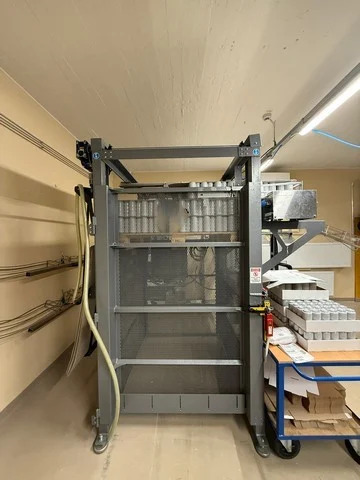 Available
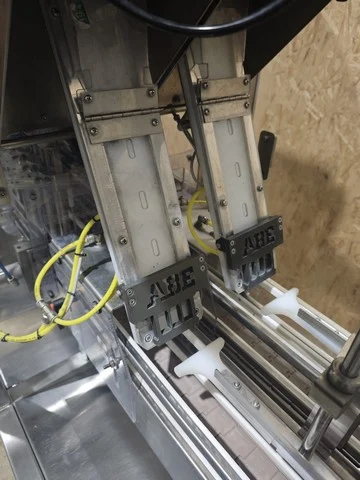 Available
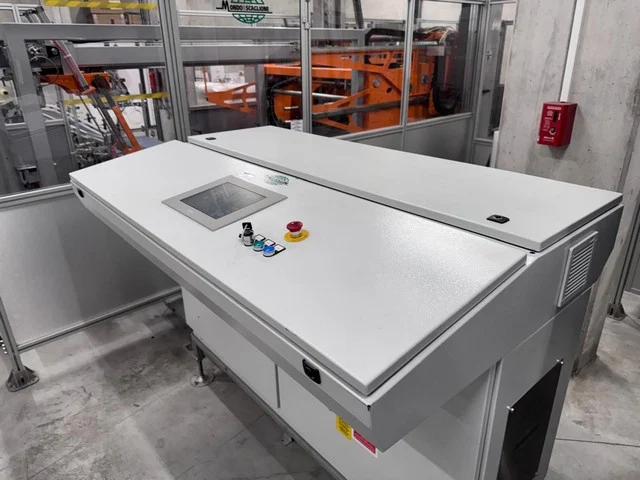 Available
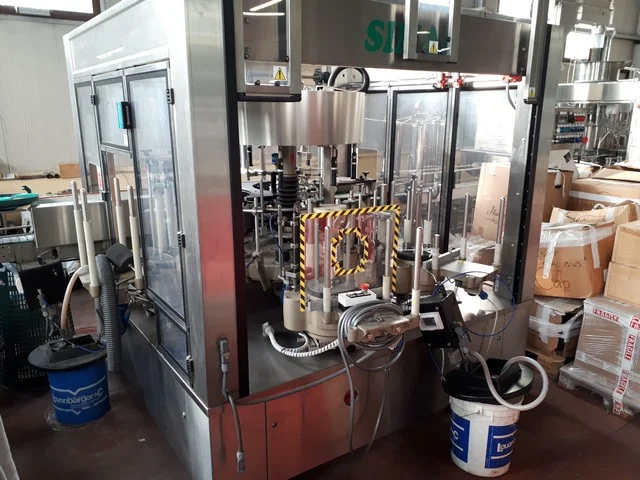 Available
 Available
 Available
 Available
 Available
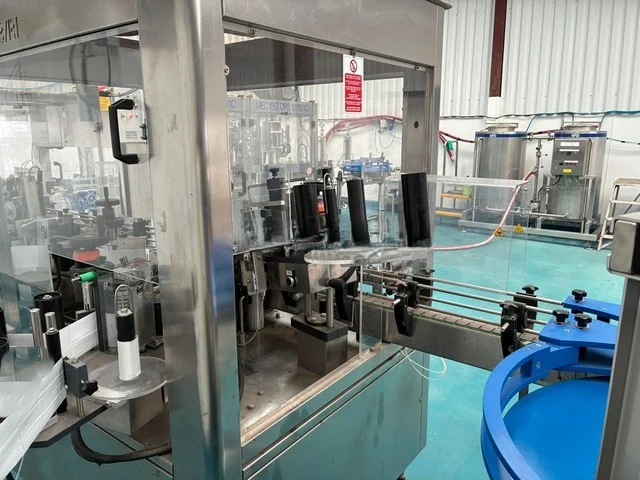 Available
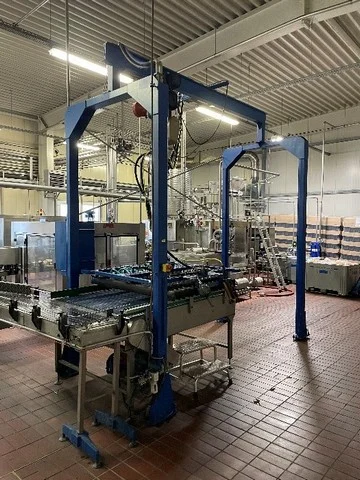 Available
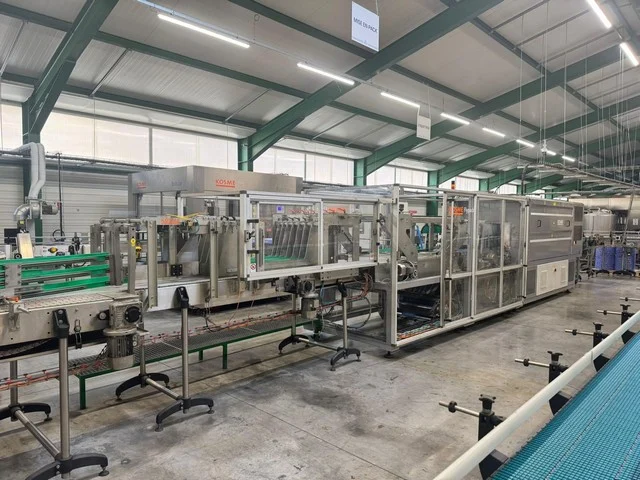 Sold
Sold
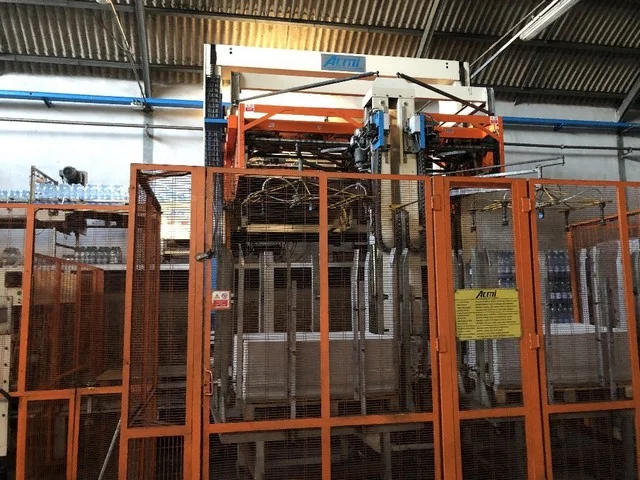 Available
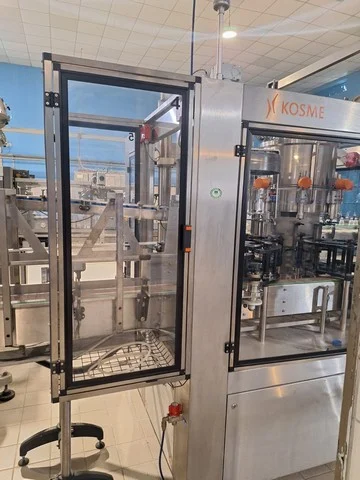 Available
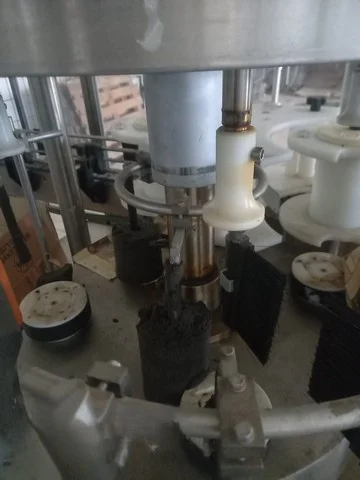 Available
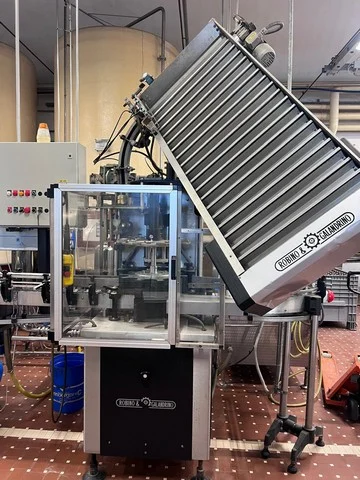 Available
 Available
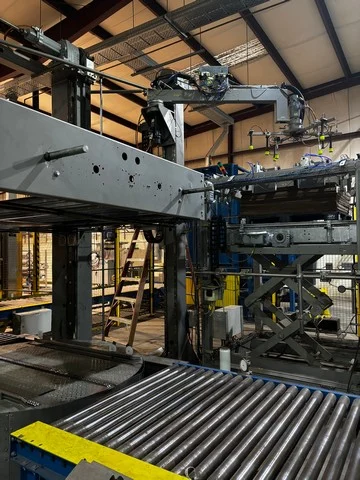 Available
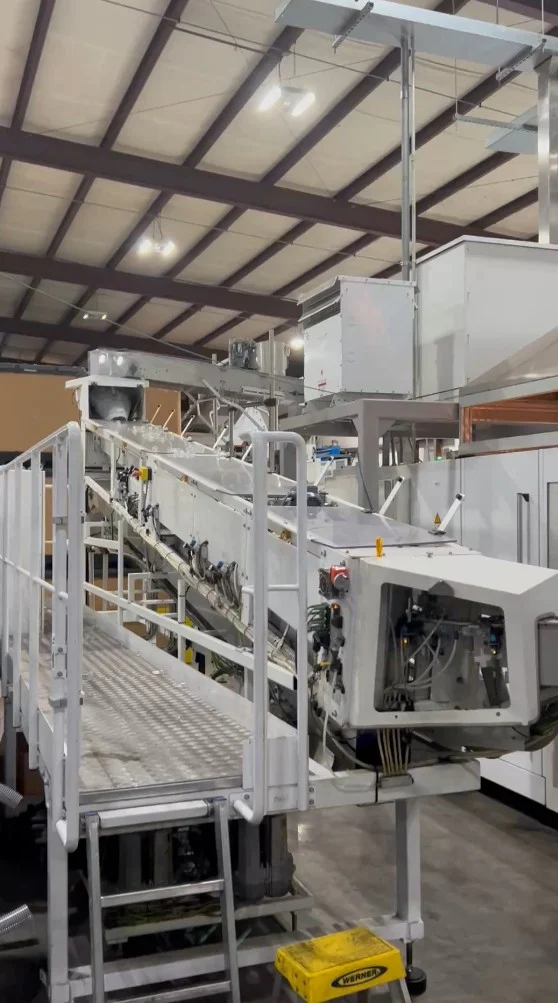 Available
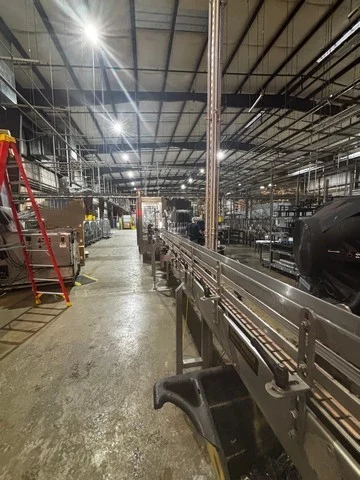 Available
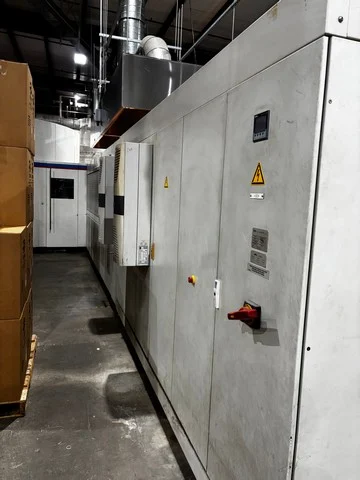 Available
A used bottling line is a connected production system. Its suitability depends on how container preparation, filling, closing, labelling and packaging work together on your product. Start with the production requirement, then compare the actual machines and connections offered.
For projects that also consider new equipment from European OEMs on request, explore our bottling lines guide to define the line scope, interfaces and acceptance requirements.
Define the beverage or liquid, whether it is still or carbonated, its filling temperature and any relevant processing requirements. Add bottle or can drawings, closure specifications, label details, pack patterns and required output for each format. These details turn a broad search for second-hand bottling equipment into a useful technical shortlist.
A compact rinser-filler-capper monoblock can form part of a line without including the downstream packaging section. Equally, a listing described as a complete line may have a particular boundary of supply. Confirm an itemised equipment list; the word “complete” alone does not establish which modules, conveyors, change parts or auxiliaries are included.
Use our application guides for water bottling lines, wine bottling lines, beer bottling lines and carbonated soft drink lines. The product name is a starting point: the documented process and installed formats determine whether a particular line fits your brief.
Compare offers using the same scope. Depending on the configuration, a line may include container depalletising or feeding, blowing or washing, rinsing, filling, closing, inspection, labelling, coding, case or film packing, palletising and wrapping. Not every application needs every operation, and not every offer supplies them all.
Compare prices against an itemised supply scope. Identify the conveyors, tooling, utilities and integration work needed for your production brief, and record whether each item is included or quoted separately.
A headline figure in bottles per hour does not describe every operating condition. Ask which product, container size, closure and pack format the quoted capacity refers to, and whether it is a nominal machine rating or measured production data.
The performance of the connected line depends on its limiting operation, transfers, accumulation and operating conditions. A fast filler cannot deliver its stated output through a downstream packer that cannot accept that flow. Compare the capacity of each section and ask how the machines were operated together.
For example, a target of 12,000 bottles per hour in six-bottle packs corresponds to 2,000 packs per hour before allowing for production losses. That arithmetic helps compare packaging capacity; it does not demonstrate that an offered line can sustain the target. Request evidence for the formats that matter to your business.
Record each section in its own capacity unit: liquid preparation or product treatment in litres per hour, filling in bottles or cans per hour, shrink wrapping in packs per minute, case equipment in cases per hour and pallet handling in the layers or pallets per hour specified for the machine. Convert these figures using the actual pack and pallet patterns. Also record the conditions and format behind each rating.
Request the latest available layout and compare it with your building, access routes and maintenance space. Review conveyor heights, line direction, machine clearances and the positions of product connections. Equipment that operated successfully in one factory still requires assessment for a different site.
Ask for the documented electrical and utility requirements of the specific line: supply voltage and frequency, air flow and pressure, water, cooling and any thermal services. Confirm which services and auxiliaries are included and which must be provided at the destination.
Check each intended container and pack format across the whole process. A filler capable of handling your bottle does not establish that the rinser, capper, labeller and packer have the necessary format parts. List the tooling supplied, adaptations required and changeover work before agreeing the project scope.
Useful evidence includes machine nameplates, model and year, equipment lists, current photographs, condition information, available maintenance records and documented modifications. Where inspection or video testing is available, establish what can be checked and under which conditions.
A video of an empty-bottle run answers different questions from production with your beverage. Ask what product and formats were used, which modules were operating and which questions remain unresolved. Distinguish reported condition, work already completed and work proposed in the quotation.
Availability can change. Confirm the current status of the line, its location, the agreed inspection arrangements and collection constraints before planning a production transfer. Manufacturer names in the catalogue identify the documented equipment; they do not imply that every model or capacity is currently available.
Build a budget for the agreed supply and the work required to put it into operation. Depending on the project, this can include repairs, conversion parts, dismantling, loading, transport, export arrangements, site preparation, utilities, integration and commissioning.
Record inclusions and exclusions separately so that offers remain comparable. Define responsibilities, the dismantling sequence, identification of connections, packing requirements and the installation plan. A clear transfer scope helps buyers understand both the commercial offer and the route to production.
A line project can start from a complete existing system or from individual machines sourced for the required operations. Elitekno can compose a line using market equipment, including machines available through consignment, and discuss a mixed configuration with new European OEM equipment on request. Selection starts with product, formats, capacity, site interfaces and budget.
Our technical consultancy reviews how the proposed units will work together and identifies the required connections, tooling and adaptation work. Keep an equipment schedule covering every section, the intended formats and the work included. This turns individual machine proposals into a defined line project.
Elitekno is a second-generation Italian bottling equipment specialist with more than 40 years of experience and a 4,000 m² facility in Bovolone, Verona. We supply individual machines and complete lines to international buyers and review product, format, capacity, layout and utility requirements.
Our machinery services include sourcing and technical assessment, with inspections, condition reports or video tests when available. Dismantling, logistics, installation and start-up support can be requested and are quoted separately according to the project.
Complete machinery and line overhauls can be arranged to an agreed scope, followed by reassembly and commissioning activities specified for the project. The work schedule can include replacement parts, changes to the installed formats and technical support through our network. Define these activities for each machine alongside the installation plan.
For worldwide transport, we coordinate the applicable documentation, including CMR where relevant, and professional packing. Sea-container shipments can include moisture and corrosion precautions selected for the equipment and route. Packing, loading, transport and destination responsibilities are recorded in the quotation.
If a production change also releases equipment, Elitekno can discuss an on-site visit, machinery valuation, consignment and space solutions. Coordinate the outgoing equipment and the incoming line within the project schedule, with the service scope agreed around the factory’s needs.
It may be possible within the documented process and format limits. Compare product characteristics, filling requirements, cleaning arrangements and every machine in the line. A change of beverage may require more than a different operating recipe.
Container handling, preparation, transfer systems and tooling can differ. Assess the proposed configuration against the intended bottle material, geometry and application to establish the equipment and adaptation work required.
The scope depends on the offer. Elitekno can provide project support for dismantling, logistics and installation on request. Confirm the work, responsibilities and separate charges in the quotation.
If the existing system meets your needs except for one operation, assess a replacement unit and its interfaces. Explore used bottling machines for individual equipment. A complete line deserves consideration when your project requires a broader production system or a major change in product and format.
A machinery visit can be arranged on request. Once the equipment and terms are agreed, the deposit reserves the line according to the order confirmation; the balance and subsequent stages follow the contract. Elitekno can coordinate dismantling, professional packing, loading and worldwide transport to the agreed scope.
Before each phase, we agree what our team will organise and what your team will provide. Unloading and installation are available on request at a separate cost, with site readiness and commissioning requirements defined before dispatch. See the machinery purchase and project support process, including spare parts and format support.
Send your product, container and closure specifications, formats, target output, pack configuration, factory layout, installation country, budget and intended production date. Include any line references you have shortlisted. Our team can discuss current availability, the technical information available and the next checks for your project.
Abe · Alfatek · Astepo · AVE Industry · BC · Berchi · Bertolaso · Borelli · CEM · Cerma · CFT · CIME · CIMEC · Clifom · Cobert · Comac · Costec · Eurostar
Availability changes over time; each listing shows the documented manufacturer for that machine. View all manufacturers →
Have similar equipment or a line to sell? Submit it to Elitekno →