
 Available
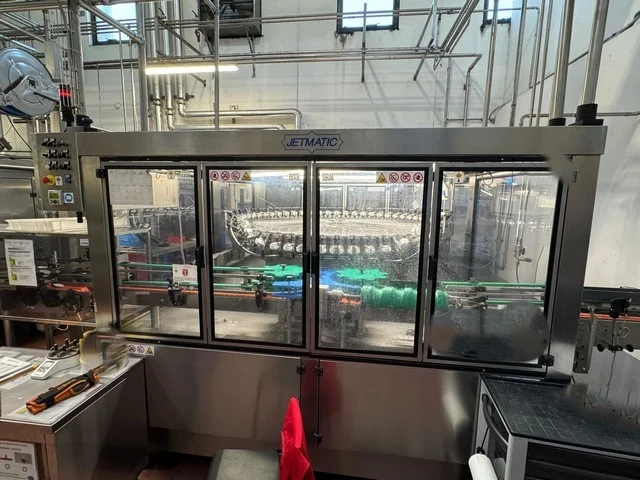
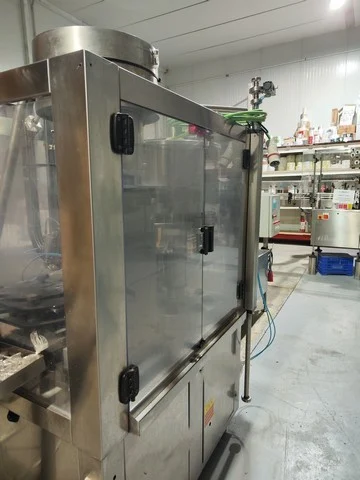
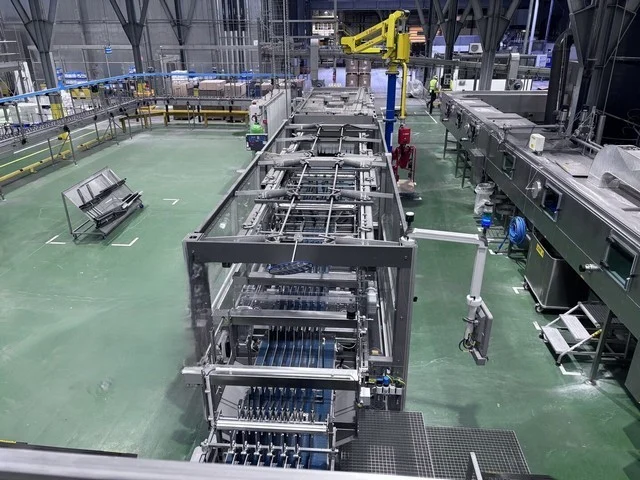
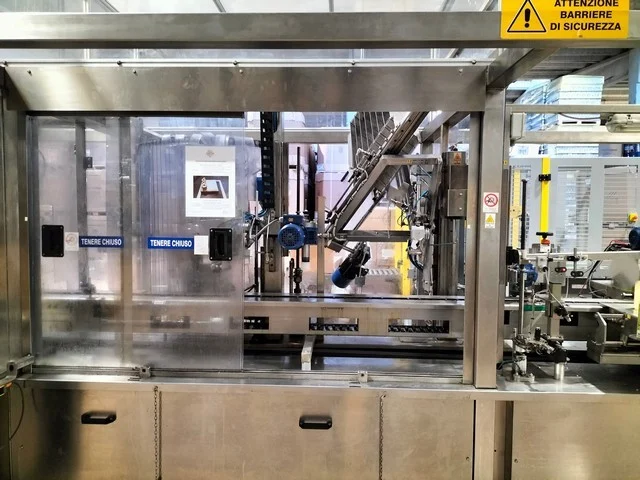
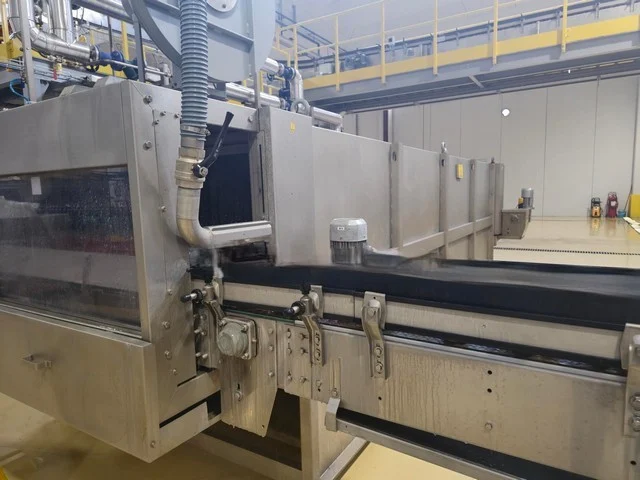
Used Jet Matic 54-clamps rinser
Year2014
ManufacturerJet Matic
Speed13,000 bph
ReferenceUW 221
CategoryUsed Rinser
 简体中文
简体中文 繁體中文
繁體中文 العربية
 Български
 Hrvatski
 Čeština
 Dansk
Dansk Nederlands
 Suomi
Suomi Français
 Deutsch
 Ελληνικά
 हिन्दी
 日本語
日本語 한국어
한국어 Norsk
Norsk Polski
 Português
 Română
 Русский
 Español
 Svenska
 Català
 Filipino
 עברית
עברית Bahasa Indonesia
 Latviešu
 Lietuvių
 Српски
 Slovenčina
 Slovenščina
 Українська
 Tiếng Việt
 Shqip
Shqip Eesti
Eesti Galego
 Magyar
 Malti
Malti ไทย
ไทย Türkçe
 فارسی
فارسی Afrikaans
Find used bottling machines for filling, rinsing, capping, labelling, PET blowing and packaging. Elitekno helps international buyers select individual equipment around the product, container, output and existing line. Browse the listings below, filter by category or manufacturer, or send us your machine specification.
Available
 Available
 Available
 Available
 Available
 Available
 Available
 Available
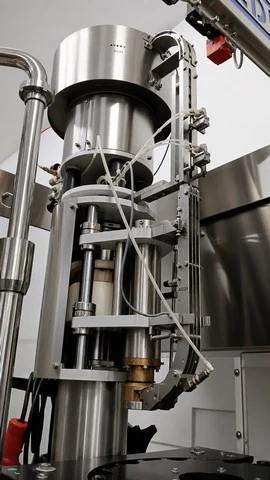 Available
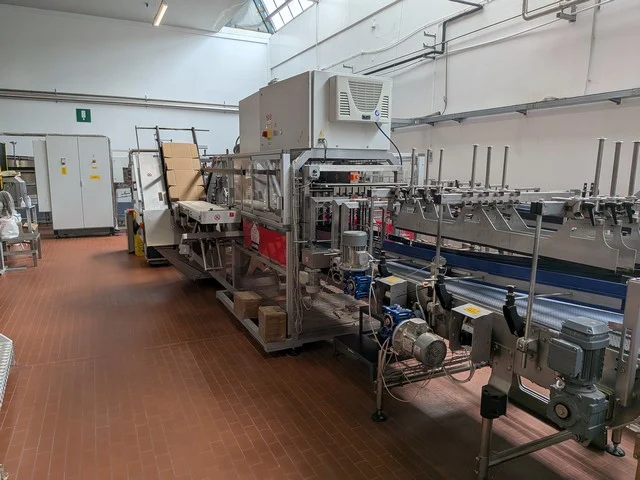 Available
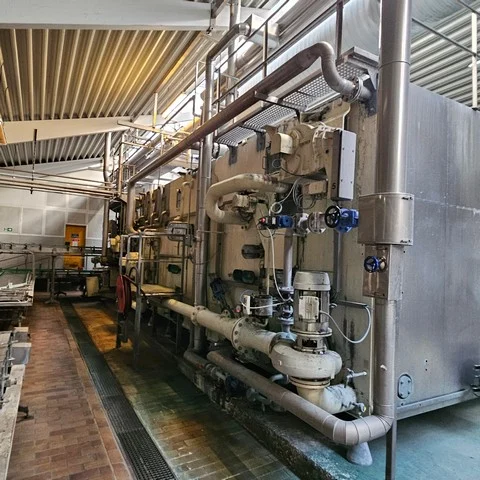 Available
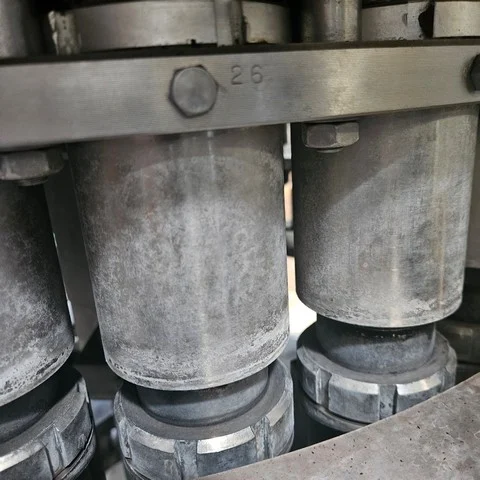 Available
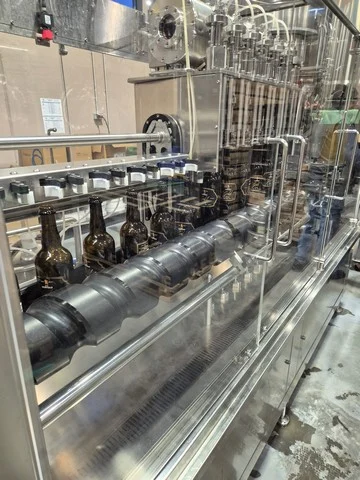 Available
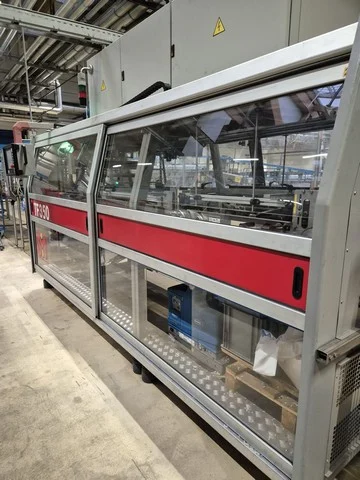 Available
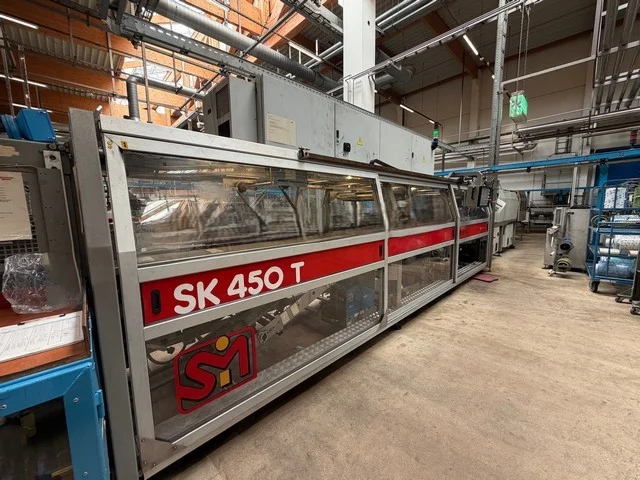 Available
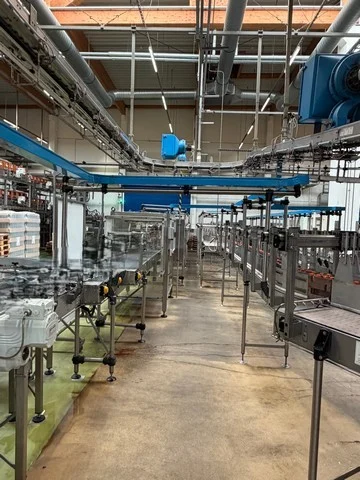 Available
 Available
 Available
 Available
 Available
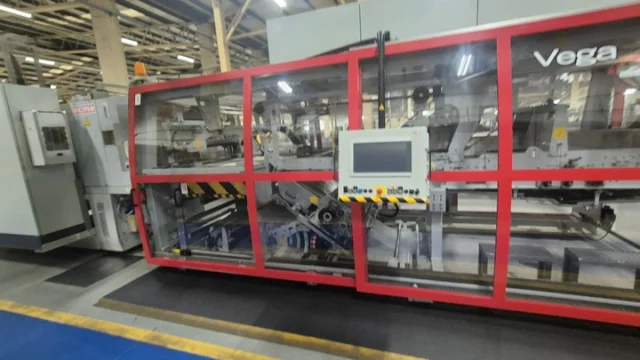 Available
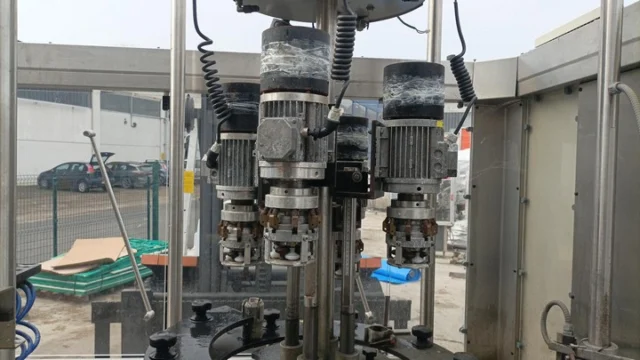 Available
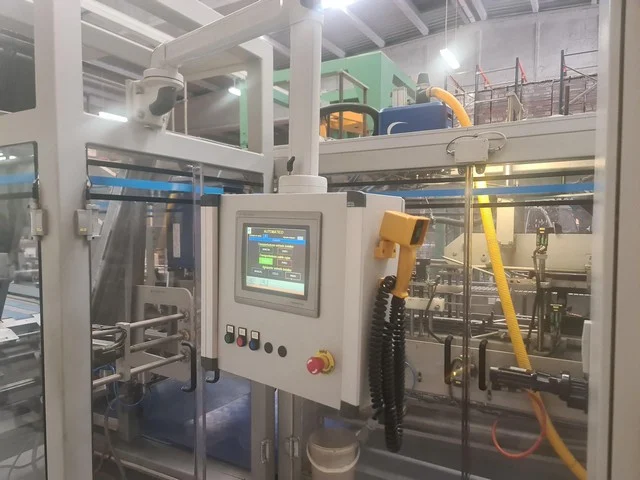 Available
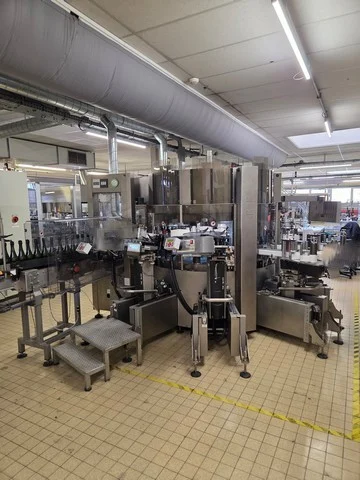 Available
Start with your production requirement: replacing equipment, introducing a bottle format or expanding a specific operation. A single-machine purchase can suit an existing line with a clearly defined requirement. If you need the entire sequence from container preparation to finished packs, explore our used bottling lines.
For projects that also consider new equipment from European OEMs on request, explore our bottling machines guide to define the equipment specification and compare supply scopes.
A filling monoblock may combine several operations, while an integrated PET block can include blow moulding, filling and capping. Confirm the exact boundaries of supply rather than assuming that every machine described as a bottling machine includes the same equipment.
Product suitability requires more than matching bottle volume. Cold filling, hot filling and aseptic filling are different process configurations. Describe carbonation, pulp or particles and other relevant product characteristics before shortlisting a filler.
For labelling, identify the application method first. A hotmelt roll-fed labeller and a self-adhesive labeller use different label systems. For capping, provide the actual closure specification: screw cap alone does not establish neck compatibility, feeding behaviour or the required application torque.
Container cleaning also covers different tasks. A rinser treats the incoming container according to its installed configuration; a returnable-bottle washer can include soaking, washing and label removal; an external washer-dryer treats the outside of filled and closed bottles. Specify the required task and sequence, including bottle condition, washing arrangements, format parts and drying requirements.
Ask what the stated capacity refers to: which bottle size, product, closure and operating conditions. A quoted maximum speed is not evidence of sustained output on your format.
When replacing one unit, compare it with the performance of the surrounding equipment. Increasing filler capacity may provide little benefit if the existing labeller or packer already limits production. Include current output, target output, changeover frequency and the formats that matter most commercially.
For packaging equipment, specify both bottles per hour and pack configuration. Six-bottle packs and twelve-bottle cases require different pack-throughput calculations. Compare the machine against your actual product flow.
Keep the machine's native capacity unit in the comparison. This can mean litres per hour for a filter or mixer, packs per minute for a shrink wrapper, cases per hour for case equipment, or layers and pallets per hour for different pallet-handling operations. Ask what constitutes one cycle, layer or finished pack, then relate that rating to the product flow.
Treat a used machine as part of your production system. Verify conveyor height, infeed and discharge direction, bottle handling, transfer points and room for maintenance. Check the electrical supply, controls and required signals between neighbouring machines.
Utilities need a defined scope: compressed air, process water, cooling, steam or other services depend on the specific equipment and application. Ask for documented requirements, then compare them with the services available at your installation site.
Changing a bottle format may require more than an adjustment on the operator screen. Establish which starwheels, guides, grippers, moulds, heads or other change parts are included, and which adaptations must be sourced separately.
Elitekno can source spare parts and change parts, including timing screws, starwheels and format tooling, according to the machine and specification. Provide the equipment reference, photographs, drawings where available and the proposed container or closure samples. These details help identify the required parts and review their suitability.
For a format conversion, map the container path from infeed to discharge. Record the handling parts, working heads, settings and transfers involved, including interfaces with neighbouring equipment. Our technical consultancy helps define the machine configuration and the proposed work around the production requirement.
Use this checklist to compare offers consistently:
An operating video is useful evidence, but ask what it demonstrates. Running empty bottles differs from filling your product; one format does not establish performance on every format. Where inspection or testing is available, define the intended checks and record unresolved questions before purchase.
The purchase price is one part of the project budget. Allow for any required repairs, conversion parts, dismantling, loading, transport, site preparation, integration and commissioning. Confirm each item in the quotation so that offers can be compared on a consistent scope.
Compare the equipment specification, included work and implementation plan together. Record the supplied formats, documentation, proposed adaptations and commissioning scope alongside the price. This gives your production and purchasing teams a consistent basis for the decision.
Elitekno brings together three generations of experience in bottling machinery, technical consultancy and international projects. From our 4,000 m² facility in Bovolone, Verona, we source, assess and supply individual machines and complete lines.
We review products, formats, speed, utilities, controls and layout compatibility. On-site inspections, condition reports and video tests are available according to the equipment and project. Dismantling, logistics, installation and start-up support can be requested, with the scope and charges agreed separately.
Complete machine overhauls and commissioning can be arranged to an agreed scope, with support coordinated through our technical network. Identify the mechanical, electrical and format work included, together with the parts supplied, reassembly and start-up activities. A replacement unit can also form part of a wider line configuration combining sourced used equipment and new European OEM equipment on request.
Worldwide transport coordination includes the applicable documentation, with CMR where relevant. Professional packing can be specified for sea-container shipments, including moisture and corrosion precautions for the equipment and route. Agree the packing, loading, transport and destination responsibilities in the quotation.
If you are releasing machinery, discuss an on-site visit, valuation, consignment and space solutions. This helps plan the outgoing equipment alongside the arrival and installation of the replacement machine.
Possibly, within its design and configuration limits. Confirm bottle dimensions, neck finish, handling parts and supported formats. Ask which change parts are included for each proposed size.
Review the proposed mechanical transfers, controls, speeds and site requirements together. This establishes the integration work needed to connect the equipment within the intended production system.
Condition and work included depend on the individual offer. Request a clear description of repairs, replacement components, inspection or refurbishment included in the quotation.
Send Elitekno your specification. Our sourcing service searches for individual machines and complete lines through an international network. Suitability and availability are confirmed for each proposal.
Ask about a visit to assess the shortlisted machinery and discuss the next checks. Reservation uses the deposit specified in the order confirmation; the balance and transfer stages follow the contract. The team can organise dismantling, professional packing, truck or container loading and worldwide transport within the agreed scope.
Your quotation identifies service charges and responsibilities. Unloading and installation can be requested separately, alongside any commissioning, spare parts or bottle format work needed. We agree the customer’s arrangements and the services our team will coordinate before each phase. Plan the machinery handover with Elitekno.
Send your product, bottle and closure specifications, required formats, target output, installation country, existing-line details and budget. Attach drawings or samples where available, together with references of any machines you have shortlisted.
Request a machine quotation → Browse manufacturers
The more precise your brief, the more useful the equipment comparison and integration assessment can be.